You must have regular cleaning based upon risk factors, food processing capacity, allergen concerns, and regulatory checks, combined with documented records supporting HACCP compliance, regulatory audits, and public health standards. The information below describe critical cleaning system elements.
Main Points
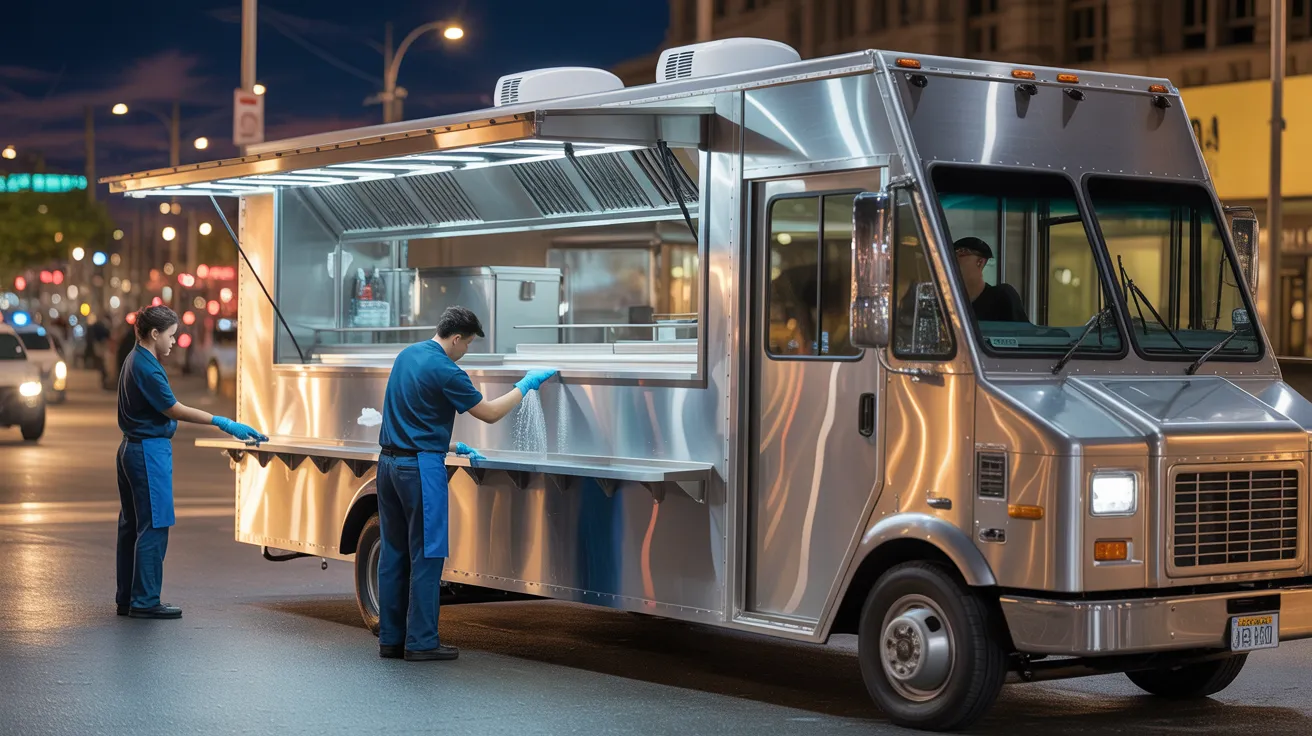
- Food safety cleaning experts in Brampton support restaurants, grocery departments, commissaries, warehouses, bakeries, schools, mobile vendors, and allergen-sensitive operations.
- High-touch surfaces, food-contact equipment, kitchens, floors, drains, restrooms, and storage areas are cleaned using zone-based workflows to reduce cross-contamination.
- Approved sanitizer dilution, suitability, and exposure duration are validated by certified contractors, with conclusion logged via checks, inspections, and remedial documentation.
- Cleaning calendars need to respect risk, throughput, switches, accidents, and guidelines, with routine, periodic, and seasonal operations distributed by section.
- Suppliers should demonstrate hazard analysis knowledge, health regulatory knowledge, WHMIS preparation, liability, testimonials, color-coded implements, and audit-ready sanitation documentation.
Brampton Facilities That Need Food Safety Cleaning: Which Ones?
Brampton operations that handle, store, prepare, package, or serve food require food safety cleaning. Implement it if your establishment is falls under health department oversight, food standards, or HACCP systems. The requirement covers dining establishments, employee cafes, food distributors, market sections, meat shops, fish counters, local shops, and commercial kitchens.
Documented food safety measures is necessary in supply warehouses, processing plants, freezer locations, commercial bakeries, school food programs, reception facilities, and food delivery centers. Mobile and temporary operations matter as well, like mobile kitchens, market vendors, and seasonal booths. Your facility needs written cleaning standards when your employees work with ingredients, section ready-to-serve foods, heat finished items, or maintain allergen storage. In Brampton, cleanliness remains not elective; it represents statutory, functional, and public health adherence.
What Do Brampton Cleaning Professionals Handle?
You need skilled cleaning experts who disinfect high-touch surfaces, kitchen spaces, flooring, and bathrooms to ensure compliance with food safety and health standards. These locations are prioritized because they carry the greatest contamination risk, slip and fall dangers, and health code violations.
When you understand what they clean, you can verify that your facility's cleaning scope meets compliance and operational standards.
High-Touch Surface Sterilization
organize disinfection intervals determined by usage patterns, exposure levels, and facility operations.
validate successful disinfection
Kitchen Areas, Floor Surfaces, and Bathroom Spaces
Brampton cleaning professionals will address kitchens, floors, and restrooms since each space presents different hygiene concerns, injury, and public health challenges. In industrial kitchens, you need degreasing on cook lines, equipment exteriors, drains, prep surfaces, and splash zones to reduce bacterial growth and pest activity.
Documented floor maintenance is likewise provided as part of the service.
In restrooms, cleaners treat contact surfaces, bathroom hardware, partition walls, accessory dispensers, and receptacles then restock supplies and control odours. They also maintain restaurant cleaning supply rooms where product storage, sink cleanliness, and drain systems impact daily sanitation standards and worker protection.
Why Food Safety Cleaning Matters in Brampton
To comply with regulatory mandates and succeed in audits, Brampton facilities must follow appropriate cleaning protocols. You also reduce cross-contamination by cleaning and sanitizing food-contact surfaces, equipment, and high-touch areas correctly. Most importantly, you help protect community wellness by reducing the chance of food poisoning in your establishment.
Health Code Compliance
Since Brampton food businesses must follow stringent health requirements, your sanitation practices directly impacts your competence to adhere to health codes, defend diners, and eliminate regulatory penalties. You must maintain hygienic food handling zones, written maintenance records, safe chemical management, and auditable operational standards that comply with municipal and provincial inspection expectations.
Well-maintained cleaning files aid you in demonstrating due diligence during regulatory audits and proving your procedures follow consistent patterns that are repeatable and overseen.
Cross-Contamination Prevention
Adhering to health code standards requires your expertise in stopping cross-contamination throughout routine preparation and sanitation work. You need to isolate uncooked items from finished products, sanitize work stations after each task, and store cleaning supplies separately from food. Organized systems minimize contamination events and maintain ongoing regulatory adherence.
Building allergen isolation prevents key allergens from reaching shared surfaces, containers, or equipment. Leverage separate cutting boards, colored implements, and precise instrument labeling so staff don't mix items in cooking or serving.Enforce handwashing after handling uncooked meats, shellfish, egg items, or allergen substances. Refresh cleaning cloths frequently, and confirm sanitizer strength with test strips. When your team follows these practices every shift, you foster a cleaner, more secure operation that meets Brampton's food safety expectations daily.
Public Health Protection
Should food safety cleaning break, you don't simply encounter inspection problems—you increase the potential of foodborne illness harming customers, staff, and the wider Brampton community. You also undermine your responsibility in protecting public health, especially in busy food facilities where pathogens travel quickly through surfaces, equipment, and touchpoints.
You need sanitation procedures that eliminate contaminants, sanitize correctly, and confirm effectiveness. That means following contact times, using approved disinfectants, recording cleaning times, and educating employees to meet regulatory standards. These controls support disease prevention by reducing pathogens before they reach food or hands. In Brampton, strong sanitation protects vulnerable populations, prevents disease spread, and helps you demonstrate due diligence. When you maintain proper standards, you don't just meet regulations—you substantially decrease danger and promote secure food handling citywide.
In What Ways Does Cleaning Help Achieve Food Safety Compliance?
Maintaining rigorous cleaning routines supports food safety compliance by reducing contamination risks, limiting pathogen development, see information on this and keeping your facility aligned with sanitation requirements under HACCP-based programs and public health regulations. You confirm that contact surfaces stay visibly clean and microbiologically controlled, supporting documented preventive controls and inspection readiness.
Effective cleaning also reinforces allergen control by eliminating residues that can lead to undeclared allergen exposure. by eliminating residues that can lead to undeclared allergen exposure.
When Do You Schedule Commercial Cleaning?
Cleaning schedules perform optimally when you create them according to risk levels, output volume, and compliance needs rather than using only a fixed calendar alone.
Plan seasonal thorough cleaning for shutdowns, weather-related soil buildup, or pest-pressure periods
Selecting the Right Brampton Cleaning Experts: Key Considerations
Start by screening providers against food-safe sanitation requirements, not cost only. You should verify that each company understands CFIA, public health, and HACCP-aligned expectations relevant to your facility. Ask for insurance documentation, WHMIS compliance, documented staff training, and supervision practices. Review whether technicians understand contamination prevention, chemical handling, and traceable sanitation records.
You should further examine operational reliability and accountability. Request testimonials from Brampton food businesses, then review reply speed, corrective action plans, and communication protocols. Validate the company supports supplier audits and can present inspection-ready documentation to regulators or external parties. Confirm equipment receives maintenance, colour-coded tools are used appropriately, and facility-specific risks are identified. A experienced service protects compliance, product integrity, and your brand reputation.
What does a cleaning and sanitation plan consist of?
Put together a written program that establishes every sanitation task, standard, and responsibility ahead of production commencement. You should specify cleaning intervals, permitted substances, dilution percentages, exposure times, instruments, and inspection methods for each zone, surface, and piece of equipment. Make sure to include pre-operational inspections, corrective actions, and employee training requirements.
Your plan should also address cross-contamination controls, waste handling, pest-prevention measures, and documented schedules for facilities, drains, flooring, and food-preparation surfaces. Outline how you'll distinguish between uncooked and prepared items, facilitate ingredient tracking, and keep accurate allergen labeling through validated cleaning between product changes. You should establish accountability, keep signed records, and assess results against regulatory standards, HACCP controls, and customer requirements. When gaps appear, modify procedures immediately and retrain staff.
Commonly Requested Inquiries
Can cleaning services support overnight shifts in Brampton properties?
Yes, you can book sanitation coverage to support overnight shifts in Brampton facilities. You'll coordinate nighttime cleaning around operational windows, access requirements, and personnel needs. Services typically establish nighttime procedures to reduce interruption, stay compliant, and track completed work. You should verify response times, management, lockout protocols, and waste management before starting service.
Can sanitation professionals handle hazardous incidents?
Yes, you can find Brampton cleaning experts to offer hazard containment solutions. They manage hazardous materials, assess risks, isolate affected areas, and begin swift cleanup to minimize risk and business interruption. You should confirm their response times, professional credentials, PPE protocols, and disposal procedures. If your facility must meet health or food safety regulations, choose a provider that documents incidents, follows compliant sanitation standards, and enables compliance verification.
Will eco-friendly disinfectants clean safely surfaces contacting food?
Absolutely, natural disinfectants prove to be suitable for surfaces contacting food when you pick products labeled food safe and regulatory compliant. You must verify contact duration, dilution rates, and rinse protocols prior to application. Plant-derived products decrease toxic chemical contact, though you must obtain confirmation of performance against specific pathogens. For keeping surfaces residue-free, follow manufacturer instructions exactly and ensure the disinfecting agent meets food sanitation requirements.
Will sanitation programs adjust for production fluctuations?
Absolutely, cleaning plans are customizable for production fluctuations. Adapt frequencies, staff levels, disinfectants, and verification steps to fit seasonal workflows while preserving regulatory compliance. Reduce operational delays through planning cleaning during changeovers, maximum output, and usage patterns. Additionally, update standard operating procedures, employee training, and environmental monitoring to account for temporary risks, emerging allergens, or increased soil loads. Continuous reviews maintain your program functional.
Are commercial cleaners offering staff training on sanitation best practices?
Yes, commercial cleaners typically educate your staff on hygiene standards. You get staff training on proper chemical use, contact times, cross-contamination prevention, equipment disassembly, and documentation. They typically align instruction with HACCP, GMP, and CFIA or local public health requirements. Many also conduct sanitation audits to confirm adherence, spot deficiencies, and reinforce corrective actions. This allows you to sustain uniform processes, succeed in audits, and reduce food safety risks daily.
Summary
Partnering with Brampton food safety and commercial cleaning professionals goes beyond tidying—it guarantees your operation meets inspection standards and your standards remain compliant. From kitchen areas to production zones, each cleaned area and maintained corner lessens contamination risk and prevents major expenses. By scheduling maintenance at suitable frequencies and implementing a thorough cleaning program, you protect your workforce, your customers, and your reputation. In a heavily regulated sector, sanitary conditions are non-negotiable—they're vital to proper management.
Comments on “Food Safety Compliance Cleaning”